How can safety and operations leaders align to deliver safer, more successful projects?
In this episode of Beyond Prequalification, David Tibbetts, CSP, Chief Safety Officer at Highwire, talks with Michael Brakefield, Director of EHS and Risk Management, and Jon Wood, CHC, General Superintendent at Frampton Construction.
They share how Frampton’s “Future First” mindset shapes a culture of collaboration between superintendents and EHS, where early planning prevents serious incidents and keeps projects on schedule. The conversation explores the power of a unified safety message, supporting trade partners for success, and investing in people, the current and future builders, driving the industry forward.
This episode offers actionable insights for safety and operations leaders seeking to build alignment, enhance performance, and strengthen trust across every project.
To learn more about Frampton Construction, visit www.frampton.construction
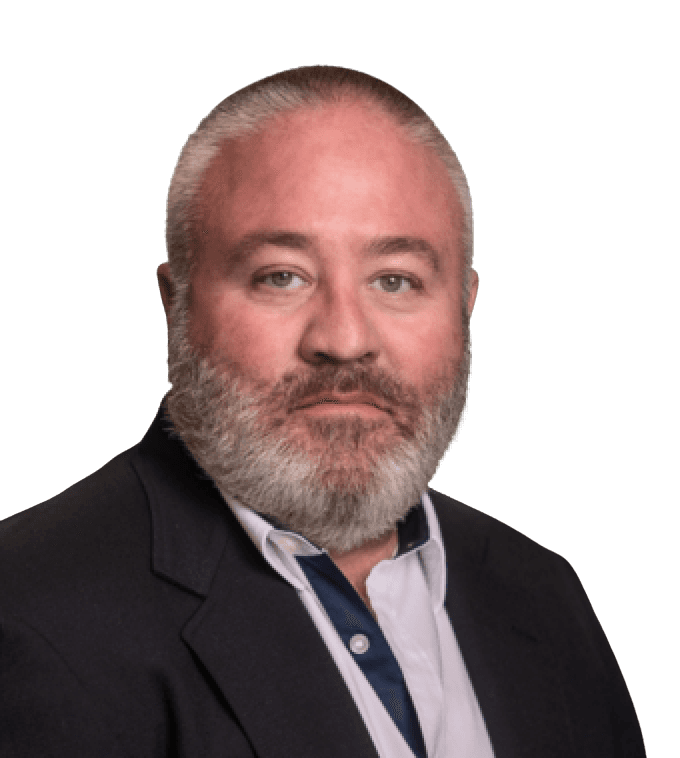
Michael Brakefield
Frampton Construction, Director of EHS and Risk Management
Michael Brakefield is the Director of Environmental, Health, Safety, and Risk Management at Frampton Construction, bringing over 20 years of experience in EHS leadership across construction, industrial, and manufacturing sectors. He has developed and led safety programs for organizations operating domestically and abroad. Michael is committed to building strong safety cultures that protect people and reduce risk on every project.
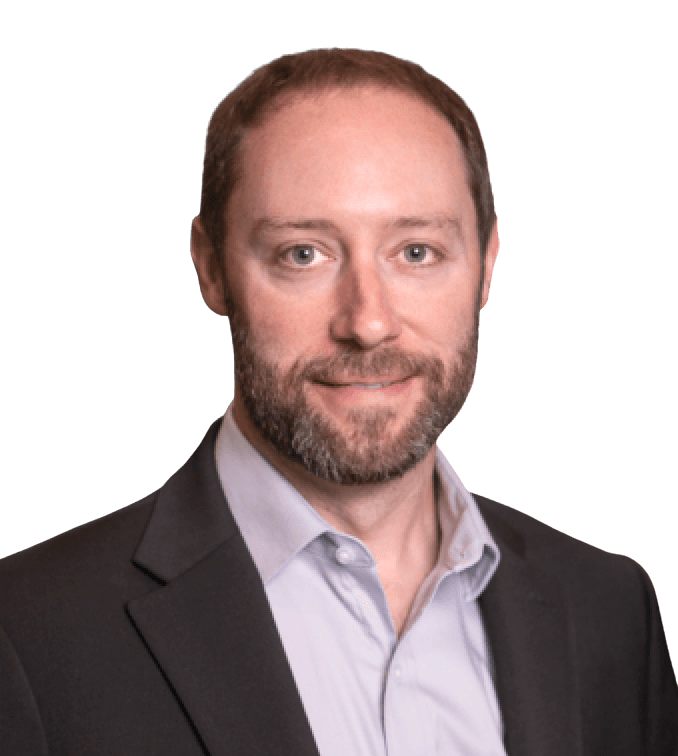
Jon Wood, CHC
Frampton Construction, General Superintendent
Jon Wood is a Certified Healthcare Constructor and General Superintendent at Frampton Construction with more than 20 years of field leadership experience. He has managed large commercial and healthcare projects from preconstruction through completion, ensuring quality, safety, and efficiency. Jon is also a lifelong volunteer firefighter, bringing teamwork and dedication to every jobsite.
[00:00:13] David Tibbetts: Welcome, everyone, to another episode of Beyond Prequalification.
I'm David Tibbetts, Chief Safety Officer at Highwire. I'm happy to be joined by Michael Brakefield, Director of EHS and Risk Management, and Jon Wood, General Superintendent at Frampton Construction. As a safety professional, I'm particularly excited to have both a seasoned safety and operations leader together here on the same podcast to share some of their perspectives about building a strong safety culture and how they support each other in their roles to deliver successful outcomes for Frampton, for Frampton's clients, and for their trade partners.
I know that the relationship between safety and superintendent is a critical one, and that's something that we'll definitely dive into today. But first, let's do some introductions. Michael, you've led some safety efforts for some of the world's largest organizations in oil exploration, industrial construction, nutraceutical manufacturing. If you could tell us a bit about how you got into safety, your career path, how it's progressed, and how you ended up at Frampton.
[00:01:15] Michael Brakefield: Well, my path is a bit diverse, but it all comes together, from one mission basically, and that's helping keep people safe and looking out for people and protecting people.
I grew up in a construction company in Columbia, South Carolina, family-owned business. We did site work, grading, and excavating, and found my passion really in public safety and spent a lot of time as a volunteer in the EMS and fire department. Eventually, we decided to close our business, and I didn't continue with it and that allowed me to pursue that passion. I spent a number of years working for all three fire, EMS, and law enforcement, and that took me overseas. I had a desire to work and live overseas, and I leveraged my law enforcement background to do that for the Department of State.
Spent seven years in the Middle East, Asia, and a little bit in Latin America as well. But in the last three years, I had the opportunity to work for some of the largest oil companies as a contractor there for them in northern Iraq, which was oil exploration.
And of course, a lot of my duties, I interfaced with the HSE managers, with the oil companies, and that kind of drug me to move into safety with the desire of, working directly with the oil companies.
And I ended up back in South Carolina in construction, and it felt like home. And so it was just a natural progression, and I had the opportunity to build my career path in that. I tried a few years in manufacturing as well, and I'm able to do both, but I think construction is where I feel the most comfortable.
[00:02:40] David Tibbetts: That's great. Quite a diverse background. You've seen a lot of different things. You've experienced different industries, different markets, different regions, all of which really helps you in your current role. Like you said, pretty cool to come full circle back to a family-owned business in construction, right?
[00:02:55] Michael Brakefield: It is, there's a lot about Frampton that reminds me of home.
[00:02:59] David Tibbetts: Yeah, absolutely. That's really cool. Uh, Jon, talk to us a little bit about your experience, your career path, your role at Frampton, how you ended up at Frampton.
[00:03:08] Jon Wood: Yeah, absolutely. So I, um, you know, I got into construction pretty early on when I got outta school. Got into building houses, doing custom home building, for a number of years, and really enjoyed it. That, and, you know, kind of always thought that was what I was gonna do. Fast forward, and had an opportunity to make a shift to a large contractor in my hometown of Charlottesville, Virginia.
I've been fortunate enough to work on a lot of really exciting projects in the mid-Atlantic area, in the southeast of the United States, some really important projects regionally and locally as well. I also, like Michael, spent a pretty good amount of time as a volunteer fire rescue, an EMS member. Really just kind of had a strong drive towards safety.
You know, and then getting into that commercial side and being a part of a company that really had a strong emphasis on a safety program, and really setting the standard.
Being a part of that company, part of that program that really drove, that higher level and higher expectation, was really important to me.
Kind of helped train there and really got engaged and enjoyed every minute of it. Had an opportunity to get on the team here at Frampton. And for a lot of reasons, it just made sense. Getting involved with that family felt company, getting engaged here at a GC that was really striving and pushing to get to that next level with a lot of really strong team members that also had that same desire.
Everyone's got their eye on the prize and really focused and committed of what that next step looks like for us.
[00:04:30] David Tibbetts: I think there's a couple of things that I heard from both of you throughout there.
That sort of family feel of the business was important to you. The culture of the company was important to you. I think I heard from both of you, just through your path, whether, you know, involved in public safety or construction, you have this kind of strong innate desire to care for people, right?
And in construction, that's really important, right? We've gotta care for the people that are involved, that are doing the work.
Let's talk a little bit about Frampton. So, for listeners who might not be familiar with Frampton, who is Frampton?
What type of work does Frampton do? Where do you guys perform work? What are the sorts of industries and clients that Frampton serves?
[00:05:06] Jon Wood: We've always had a strong foundation in the distribution and logistics markets. That's where traditionally a lot of our work's been. Um, but we are starting to see a lot of momentum build in the manufacturing, in the healthcare markets as well. Uh, and we've got some really great commercial projects that are underway.
It's exciting to see all these develop and continue to grow.
[00:05:51] David Tibbetts: Thank you for that. I definitely want to get into Frampton's safety culture, specifically in a moment, but, you know, one thing that I mentioned is I want to take advantage of the fact that we've got a safety leader and an operations leader here on the same podcast, which might be a little bit unique.
I'd love to get some insight from both of you on how your mindset has evolved around a superintendent's responsibility for safety, or how our superintendent should interact with safety.
Michael, from your perspective, how has your mindset around working with a superintendent evolved over the years? How did you think about that relationship 15, 20 years ago? How do you think about it now? How do you interact with each other? How do you help each other deliver in your role? What do you need to deliver for the company?
Jon, if you could start from the superintendent's viewpoint and then, uh, Michael can share his opinions after.
[00:06:45] Jon Wood: I think Michael and I. I've enjoyed working with him a lot, and hopefully, he has enjoyed working with me too.
We definitely work with each other and build with each other to accomplish one goal. At the end of the day, we are a construction company and we are in business to build and construct, and we all have tight timeframes and tight budgets and everything we've gotta hit.
But I think what's special is, in recent years, the focus on safety is like, yeah, well, we are, we're no longer, as an industry, we, a lot of us said we're not gonna turn and look the other way. We're not gonna sacrifice safety to get the job done. You know, and I think, I'm very happy that we've shifted in that direction.
We've also seen that a big part of the superintendents are taking a larger understanding of safety, why it is important, and understanding what their role in safety is as well. It's not something that's just there. This is something that we're gonna do and live by.
We don't want the safety managers coming out and being safety cops, so to speak, or trying to find stuff. We want our superintendents out there setting up a safe job site and running a safe job site.
[00:07:46] David Tibbetts: Yeah, I think that's a really important shift in mindset. Michael, your perspective.
Um, I know for me, early on in my career, I didn't have as deep of an understanding of the superintendent's role, not just as it relates to safety, but overall, and very quickly you start to realize they have one of the most difficult and demanding jobs in construction. It's incredible the amount of coordination and communication and scheduling and logistics and safety is a part of what they need to do as well.
I'm curious if you could maybe share your perspective on the same subject, that relationship between safety and operations, and specifically interacting with superintendents.
[00:08:24] Michael Brakefield: I've never met a superintendent or a business owner or a manager or anyone that wants to see a worker get hurt.
Do they have other, um, value, priorities, and things to drive? Absolutely, they do, and they should. Without production, we don't have a job. Right. I mean, we're here to make money. Um, but in general, my approach is, I've learned, a long time ago, it's not gonna happen without the superintendent.
Especially if you have a project where you don't have a full-time safety person to drive safety. It's still not gonna happen without the superintendent because they have to support it, and you have to have buy-in. That goes all down to the trade partners as well, with the foreman.
You know, A trade partner could come to us with a fabulous safety program, in writing, but it doesn't happen if they don't have the right person out there on the project. Sometimes there's no correlation between the two. Sometimes you'll have one that doesn't have a safety program, but they've got the right person.
I always go into it with the approach that whatever we do has to work for the superintendent and everything else. I mean, you're not gonna spend, $10,000 in safety to do a thousand dollars' worth of work, right? So everything has to be measured and effective, and that superintendent is the one that has to make it happen.
I think more than once, I've walked into Jon's office and he said, Hey, I think we need to implement X, Y, Z safety policy. And my first response is, that's great. Let's do it. Can you make it happen? And he goes, I knew you were gonna say that, but can we really make it happen?
Given whatever challenges, you know, because every project's different, every person's different. So that's really been my approach. Is that it has to work for them, and we have to work together. And now the other part of that is, a lot of times, the production side, the operation side, they're driven for production, no matter what.
They're gonna look at that schedule; they see it all day, every day. So having that push from safety gives them the backup to do the right thing that they really want to do. It gives them encouragement, support, and helps to do it efficiently and effectively, hopefully ahead of time, before something goes wrong.
So that overall, it does support the schedule. Cause it after all, you know, an incident slows the schedule down.
[00:10:25] Jon Wood: One thing that Michael and I have really worked on a lot the past few months is trying to get ahead of it, right? And trying to focus on the planning initiative before we step foot on a job site, right?
Can we foresee the issues? Can we predict where we might run into some slowdowns out to try to get ahead of it, right? Like, we had a job. We started, pretty deep excavation for a storm line that had to be installed.
He was actually looking at the drawings, and we were able to get together with the contractor before they ever mobilized. Identify our concerns, what we were gonna be looking for. So it was a very clear expectation when the work starts, we've already checked a lot of those boxes. Right?
So we have the plan in place. It's a conversation to follow, make sure that we have things there that we said we were gonna do, and then we can do the work and execute.
[00:11:08] David Tibbetts: Yeah. In essence, those discussions help maintain schedule. Right. And I heard both of you say that, right? So, we'll probably touch a lot more on planning, but the things you just talked about. Looking ahead at the schedule, looking at drawings, identifying high-risk activities, or the activities that are a little bit more challenging from a kind of execution perspective. Having conversations about those, identifying those, weeks in advance, and putting a plan together, that is true collaboration between safety and operations.
Obviously, your trade partners are involved as well, but all of that sort of work that you do, that time that you spend upfront. Ultimately, it's gonna create efficiencies for you, right? Or the flip side is we don't bother doing that planning, we don't have those conversations.
We start doing the work. It's unsafe. Workers are exposed to significant hazards. We need to stop work and kind of, you know, handle it from there. That's not where anybody wants to be because ultimately, you may have just exposed workers to a risk as well, right? And now you're trying to address that after the fact.
No one wants to be there, right? So, in many ways, having that open dialogue, talking about schedule involving trade partners, safety is helping to keep the project on track, right?
[00:12:21] Jon Wood: Absolutely.
[00:12:22] David Tibbetts: Let's talk about safety culture at Frampton. On your website, your president Chad Frampton, there's a quote from him, which I think is, is great. It says, "In our industry, it's important to look at everything through a lens of safety. Safety is something that we will never take for granted and never sacrifice."
There's a lot that I like about that. Number one is he, he didn't say, Hey, safety is our top priority, but safety is a component of everything that you do. You have to look at everything through a lens of safety. You both mentioned that Frampton is in business to construct things.
You're in business as a construction company, you're not in business to do safety, but it is an important component of everything that you do. What was it about Frampton's safety culture that made you feel like this is a place where I feel like I will be valued and I can help to make an impact?
[00:13:11] Michael Brakefield: I had interfaced with, um, Frampton over the years, so I had some contacts here, some folks that I had worked with previously, so very familiar with it. Frampton and the projects and the growth of the company. And you know, I knew the company already had a pretty good program in place, but it was at a level where the company was growing quickly.
A lot of growth and expansion of projects. And then it was an opportunity for me to come in and interface with that program and have the opportunity to take it to the next step. I knew enough about the company through my contacts to know that they definitely supported that.
And it was just the right place, the right time. So you know, I definitely agree with, you know, the statement that Chad has on the website. That's a really good way to look at it.
[00:13:52] David Tibbetts: Yeah, I agree. I really like that a lot. Um. Future First is something that I see on the website a lot. Can you talk about Future First? Jon, what does that mean to you as a mindset or a mantra for safety?
[00:14:05] Jon Wood: When you think future first, right?
Like we are an industry, we're very heavily steeped in our past and the history of building, and we're very proud of that. But, you know, we're trying to be a progressive company, and how we're gonna focus and look at that.
And safety being a big part of that, right? Like, you know, Workforce is something that's not really growing, right? So like, we have to think about the future of our current workers we have today. We have to think about how we want to be building in the future. And really, you know, taking the steps of how we're gonna get there, so it really just buys into that whole front-end planning and looking, and just being proactive and thinking down the road with that.
[00:14:40] David Tibbetts: We'll come back to that a little bit. You know, what does the future of construction look like? There is this huge challenge that everybody's talking about. Labor shortages. How are we gonna attract new workers into the industry? And I would say that doesn't just apply to frontline craftspeople, right?
The next generation of safety leaders, superintendents, project managers, and project executives, it's an important, uh, challenge that, you know, everybody needs to be thinking of, and I like how Future First plays into that.
[00:15:07] Jon Wood: One more thing, you know, when you go on a job site and look at the vest, you usually see a company name on the vest.
If you look at the back of our high-vis vest, you see Future First before you see Frampton Construction, right? So really just taking that and driving that point home of like, that is how important it is to us that that is what we want clients, trade partners, designers, engineers to see. More so is that future first mark more so than Frampton Construction.
[00:15:32] David Tibbetts: That's great. That's a powerful message. When we think about trade partners, Frampton has a certain safety culture that you all are trying to build internally. How do you guys engage your trade partners and make sure that they have at least a similar mindset as you?
And if they don't, how do you kind of try to help bring them forward or get them there, for lack of a better term? Talk about the relationship with trade partners, how you both sort of engage them early on, pre-construction, even pre-award, certainly during the course of construction.
Talk about the importance of that relationship and how you interact with and make sure that your trade partners are successful.
[00:16:10] Michael Brakefield: Well, I think for a general contractor, that's the true frontline of safety. That's where it starts.
My motto on that is, let's develop 'em, let's build 'em up. From the pre-construction process, laying out the expectations. We've recently developed a shortcut for our safety program manual that shows in two pages everywhere we exceed OSHA. We expect them to know OSHA when they come in, but we don't expect them to sort through a 300-page safety manual.
So I made a chart, fall protection, six feet across the board, et cetera. No exceptions, that type of thing.
So they can just know right up front what they're coming into and if there's something, you know, they need some help, and we need some negotiation on how we can do it at that point. The other is to help 'em. I'm not opposed to even hosting training workshops and that type of thing.
There's some vicarious liability risk and all of that have to be considered, but I think that's crucial to what we're doing. I provided safety document templates for 'em before, you know, even including a full safety program manual that I had written as a consultant.
I said, Hey, you'll have to do the work and make it work for your organization, but I'll help you out. There's nothing wrong with that.
[00:17:15] Jon Wood: I think too, you know, speaking to Michael and his team on that front, you know, that also shows the initiative we have not just for us, right?
It's great that the contractors and trade partners are getting that feedback, but the impact that's gonna have on our industry, right? Because those trade partners don't just work for Frampton, right? The commitment to the impact of our industry is also, I think, something that's very important for Frampton as a whole, to where we want to drive the culture across the board for everybody, right?
Like, how many times back in the day did, uh, we'd have an iron worker, we would kick off one job site, for not being tied up properly or not being tied off at all. And then we'd get a call from another colleague superintendent that was working on one of our projects down the street.
Oh, that's the same guy kicked out of my job two days ago. That's what we were doing. That's crazy, right? You're, you're taking workers and you're trying to punish them, the work's out there to be done.
So why not put that effort into training them, not just for their own safety, but just for our industry as a whole?
[00:18:12] David Tibbetts: You know, that I talk about this a lot in my interactions with Highwire clients and just with peers in the industry, you know, that old school mentality of, that worker made a bad choice.
Let's, we gotta kick 'em off the site. You're kind of just kicking the can down the road, right? And we talk a lot about the fact that when you see somebody doing something wrong, it's really easy to say that individual worker made a bad choice, right?
But you have to really kind of look at it in the bigger picture and say, did we set that worker up for success? Did we set that work crew up for success? Whether that's through planning, training, consistent messaging, the type of safety culture that organization has, there are a lot of different factors that could lead to maybe an unsafe condition or an unsafe behavior.
So, I think that mentality is really important, right? When there are opportunities to help educate, train, explain why a certain approach might be more effective. Really get down to the root cause. Those are things that are gonna ultimately help businesses become safer, grow that pool of contractors so that they're available for not just Frampton, but everybody, deliver the best outcomes. The ultimate outcome is safe and successful delivery of the projects that you are working on with your trade partners.
You mentioned the consideration of liability, and there's a fine line to walk, right? But, you know, one of the other kinds of mindsets that I've had throughout my career is, without directing means and methods, right?
Which is something that you really wanna be mindful of, or without taking ownership of training your subcontractor's employees, that is their responsibility, right? One of the primary responsibilities of an employer is to make sure their employees have training. But you also kind of, and you touched on it, there are things that you can do.
You want to take as many proactive steps as you can to avoid an incident rather than worrying about liability down the road, right? What are the things that we can do proactively? The steps that we can take to identify risk and make sure that we're mitigating risk.
[00:20:15] Michael Brakefield: Well, of course, the pre-task plan, our job hazard analysis process, is something we're, we're putting more focus on. Developing them and how to conduct those, and what they mean. Not just collecting the paperwork. Paper doesn't save anyone. That's a strong focus area that needs to improve industry-wide.
We don't really have Frampton problems. We have industry problems. And, what I've seen here that we deal with, the challenges we deal with here have been the same everywhere as an industry, and the more we can do to improve the industry. You mentioned a moment ago, you know, developing the industry itself actually helps us all.
'Cause it lowers the insurance rates, lowers risk, proves the reputation of the construction industry as a whole, hopefully encourages people to enter the industry and not avoid it due to safety and dangers, and bad working environments. And so we definitely need to focus more on that, involving the workforce and job hazard analysis.
[00:21:07] David Tibbetts: Yeah, you know, pretest planning is something that's been around for 15, 20 years. We think about training; we've got a pretest planning process. This week alone, we did 50 pretest plans. I've got this stack of training documentation.
But we have to also be honest and say, when we look at those processes, is there room for improvement? Are those things effective? The mere fact alone that we've done pretest plans doesn't necessarily mean that we're changing outcomes. And I think it's important to think of from a training perspective as well.
You know, there's more and more kinds of online training that's out there and it's being done. I think it's really important that when we look at those processes, we're not just answering the question, are those things being done, but are we able to answer the question? Are those things actually effective?
Are they changing behaviors? Are they resulting in better plans and better execution, safer execution of the work? Or do we just have a count of things that we've done?
[00:22:01] Michael Brakefield: Training alone is not effective. It has to be supported. You have to train on it, you have to go out and confirm that they're doing it.
You have to coach them. Micro training, you know, if you train one way and then send 'em to the field. No, we don't do it that way.
Safety person comes and does some training, and then they go out and do exactly the opposite. You have to have the training interface with the operations, recurring training reinforcement, and that job hazard analysis, pre-test plan process is really the place to do that. And have that daily meeting, that daily discussion, as a reminder, really does more than training alone. The average person who works with their hands remembers less than 30% of what they hear.
And then we're dealing with language barriers and cultural barriers as well.
[00:22:43] Jon Wood: And I think with the pre-task planning, it is a very important part of it, but it's also one of those things, right? You can become very complacent filling those out.
And you've got a foreman that's filling 'em out. The task isn't changing much. And that's usually when we need to start paying attention, right? You can take all the courses online you want, you can read all the books you want on safety, but until you get out in the field and actually understand how you're gonna apply that training. How's that actually gonna work, and what's that really mean to you in the field? What's the value of it? It's not really much of it. So I think having the training, having the pretest plan, you know, I always look for the teams that are asking the questions, right?
Because like I said, we live in a very dynamic industry, right? We wanna see change, and, typically, things aren't done the same way. You know, there've been advancements in technology, advancement of measures, how we do stuff. But if people aren't asking questions, are they really digging into how they're doing the work?
Are they really looking for? Is there a better way to do that? That's really one of the key things I look for. And as we walk the jobs, you know, when I hit a job site and I walk with a superintendent, I go to a trade partner. I'm like, Hey, let's, let's look at the pre-test plan. What's on that?
Have they identified the hazards that they're really into? Are the workers that are actually doing the work understand that? Or do they just sign that at the tailgate of the truck, get the tool belt on, and get after it? That's really like setting that example and trying to get our field leaders to really dig into those plans and understand are they doing them? Are they really talking about the things that matter on 'em or are they just checking the boxes and having people scribble on it?
[00:24:04] David Tibbetts: Yeah, it's a great point. I think we think about training, we think about pretest planning. And I think kind of what I'm hearing is there also has to be conversation, and there has to be just consistent reinforcement of the things that maybe we did learn during training.
And from a conversation perspective, when we're out in the field, a few simple questions. What are the highest risks or the most significant hazards that we are going to face today during our course of work? You know, what are the controls that we're gonna implement to mitigate those hazards?
Do we have the right controls in place? Understanding what's going on around you, right? Do I have the tools and equipment that I need to perform this job safely? So awareness is really important. Constant reinforcement. The conversations that you have, when you're out in the field, are we just talking about PPE and safety glasses?
Are we just out there to identify things that are going wrong? Or are we engaging and having conversations about the risks, making sure that people understand what the controls are? The conversations are really important. The paperwork is important, but conversations, constant reinforcement, retraining, all those things are critical.
[00:25:10] Michael Brakefield: Think about this, a work site that goes for one year that has maybe average daily numbers of a hundred people on it throughout the top part of the job. That's a small site. I understand, but that's gonna be over a thousand workers come through that site. When we do job site orientations, and we start with number sticker number one, and I've been on sites that had 300 daily averages, and by the end of two years on that site, I was over 4,000 people through orientation.
So we can't really rely on this training that OSHA requires employers responsibility to do when these workers changed so much. Our point to make a difference is when they walk on the job, and that's exactly like you said, orientation, safety talks, pre-task planning, having conversations and touch points, you know, going out and making contact and engaging.
[00:25:57] David Tibbetts: I mean, it's incredible when you think about everything that goes into building the projects you guys build. Hundreds of workers, a constantly changing environment, and the amount of planning and coordination, and scheduling that needs to happen. It's really an incredible industry.
And when it comes down to safety, written programs and documentation, all those things are, you know, there's value to them, but it’s the culture that you build. It's just so critical to the ability for your projects to succeed. You strive to have every project have the same strong safety culture, but that doesn't always happen exactly as we think or hope, right?
To your point, you've got a trade partner who comes on-site. There are different personalities involved. Some project teams are a little bit more effective or better leaders when it comes to safety. When you see a project that hasn't gotten off on the right foot, or maybe you feel like the safety culture on that project isn't where you want it to be, or maybe it's heading in the wrong direction.
How do you guys work together? How do you pull your team together and get things moving where you want them to head in the right direction?
[00:27:07] Michael Brakefield: Well, obviously, more focus and more contact, and more visits. That's the easy part. The second part of that is something we're moving toward is looking at key points or milestones in the project that could prompt problems or high-risk work.
For example, you've done your stud work, and you've got a different contractor coming in to do the drywall, and now you know you're gonna have 30 drywallers coming in, or you're gonna start stacking some work where you may have people working in close proximity.
Those are things we need to focus on. We have senior safety managers out there on these projects that visit each project. We try to interface with the project team to get ahead of those points. One thing we've done recently is with power on the building. Instead of just allowing electricians to put power on the building, we actually go out and make sure they have an energization plan.
Make sure that we do a safety stand down to let everybody know the building's live, so anything could be live. Make sure the training is in place, a toolbox talk, safety talk, whatever we need to do for that.
And make sure there's a plan. Everybody's aware.
[00:28:08] Jon Wood: Another thing that Michael and I have done pretty well together is having one voice, right? We spend a good amount of time communicating and talking together. And we have a job site that has a unique situation coming up, or, or we've identified a trend that is not one that we wanna see and we wanna try to get ahead of, you know, I think he and I have done a great job of getting together and he's reeled me back in, I've reeled him back in.
But really just wanting to have that one message going to the team of what the expectation is and how we're going to take that next step forward on whatever trend we might be seeing, or whatever issue we might be having, or whatever trade partner might be posing certain issues to us.
It's just having that one message, right? The last thing that you want when you've got a job that's maybe not in a great spot or near misses, and you're starting to see those leading indicators, that all of a sudden you've got safety managers saying one thing and your operations leaders saying something different.
And then the team, it's already kind of feels like they're under a lot of pressure. Now they're getting different messages in the field, like, well, which way do we go? So I think having that one message really being on the same page has been very important to me and our teams here at Frampton.
[00:29:12] David Tibbetts: I think that is really important. What you mentioned, Jon, is that they're hearing a consistent message from both safety and from operations. When we have those conversations, when we've identified a trend or something that's concerning, we pull the team together.
Jon, you might lean on Michael, pull Michael in. Michael, you might pull Jon in. Having that consistent message, it's all with the lens of, Hey, we've identified an issue. There's an opportunity for improvement. Let's talk about what we need to do as a team to reverse that trend, to get the outcome that we want.
Michael, you talked a lot about placing emphasis on the highest risk activities. As you know, there's just a ton of conversation in construction, in an industry about SIF prevention, preventing serious injuries and fatalities, and how important it is to spend energy on identifying what are the high-risk activities associated with this project? When are they approaching? Are we prepared to execute on those high-risk activities? Ultimately, trying to prevent those SIFs from happening or even SIF potential events from recurring. So I appreciate that message around one voice, and one message that is really important when you're engaging your team and engaging your trade partners.
Michael, you mentioned that it's been around for a long time, but I can sense the kind of passion that you guys have for this industry. Any advice that you guys would have for somebody considering a career in construction, whether that is working in a trade, maybe someone who's interested in safety, or someone who's interested in becoming a superintendent? What is it about the industry that excites you, that motivates you, that you find rewarding?
[00:30:46] Michael Brakefield: First, you need to learn a trade first. The more safety professionals we have that also understand how to build, the better. I'm sure Jon will agree with that. Secondly is we need more focus on an actual trade, you know, a certified welder, or masonry and get all of that. Don't just learn the basics.
Stick it out and go through the school and go through all the classes, or an apprentice program. If you're looking more toward the management part of it, and going to college, certainly nothing wrong with that, but considering an engineering degree, over anything else, because you can still do construction management with an engineering degree, but you can't do engineering with a construction management degree.
So I think that's a good path.
[00:31:25] Jon Wood: You know, it's, uh, I think we've got one of the best industries in the world, we want to get more people involved. And how awesome is it to get up every morning, put in good hard work, and get to go home tired and proud of what you've done and what you've touched.
Getting involved in the trade is definitely important, and you know, really understanding people that, like construction companies aren't like we were, 50 years or a hundred years ago. You know, there's a lot of things to do and touch, and there's a lot that goes into it from virtual design coordinators to schedulers, to pre-construction managers, to finance team members, to marketing team members.
Like it. There's a lot, you know, so be ready for some hard work and some long days, and let's get after it.
You know, we need that next wave of builders to come in here with a progressive mindset. A very influential builder. I worked for and looked up to my whole career, you know, often said like I don't want to hear about how we built it a hundred years ago. I want to hear about how we're gonna build it a hundred years from now.
That mindset, being driven down into our workforce, is really what's gonna propel us and really gets me excited about the future, right? Like we've been here and we've seen how we've gotten to where we are, but where we can change, where we can get more efficient, where we can drive value, and the types of projects that are coming out.
It's just, it's inspiring. It makes me really excited every morning to get up, strap my boots on, and get after it.
[00:32:44] David Tibbetts: It truly is a, a really exciting and rewarding industry. And to your point, Jon, what people think about construction, they mostly think about kind of, you know, boots on the ground.
But there's so many different roles that people play in delivering these incredibly complex buildings and facilities. I joke about this, you know, I worked at Harvard University for about seven and a half years, and a number of brand new buildings were built during that time.
I didn't build them right. I didn't put my hands on and do the work, but I was a part of all of those projects. And now, when I drive around Harvard's campus on occasion and I see those, there's an incredible sense of pride. It's incredibly rewarding. And you guys know it, you know, you're changing the landscape, you're changing the skyline.
You're delivering projects that change your community. And so there's just an incredible amount of pride that goes along with that, right?
[00:33:02] Jon Wood: Absolutely. And you think about those buildings, right? Like the buildings at Harvard that you had a part of. Think about the minds that were molded in those buildings and the future leaders that they're gonna go into the world and change things, like what other industry has that kind of impact?
[00:33:28] David Tibbetts: Yeah. Can't name one off the top of my head, Jon. You're right. It's incredible.
I want to thank you both for your time. I really appreciate your insight. It was great to have the perspective of superintendent and safety here and talk about how you work together and how critical that relationship is. I have a really strong sense of the culture that exists at Frampton, and it's exciting and, uh, you know, something that, uh, I can tell you guys are proud of and, and really drew you to work there.
For all the listeners, we'll catch you on the next episode.