How can stronger contractor partnerships help prevent serious injuries and fatalities?
In this episode of Beyond Prequalification, David Tibbetts sits down with Vic D’Amato of the National Safety Council to discuss how owners, contractors, and safety leaders can move beyond checkbox prequalification and build more effective partnerships around high-risk work.
Vic shares lessons from nearly four decades in EHS, including why contractor risk cannot simply be transferred, how lower-tier subcontractors can introduce hidden exposure, and why lagging indicators like TRIR and EMR only tell part of the story. David and Vic also explore how SIF prevention requires better planning, stronger field monitoring, direct controls for high-energy hazards, and a culture that empowers workers to stop work when conditions change.
Whether you’re an owner, general contractor, safety leader, or trade partner, this episode offers practical guidance on using prequalification insights, humble inquiry, and shared learning to strengthen contractor relationships and prevent serious incidents before they happen.
To learn more about the National Safety Council, visit nsc.org.
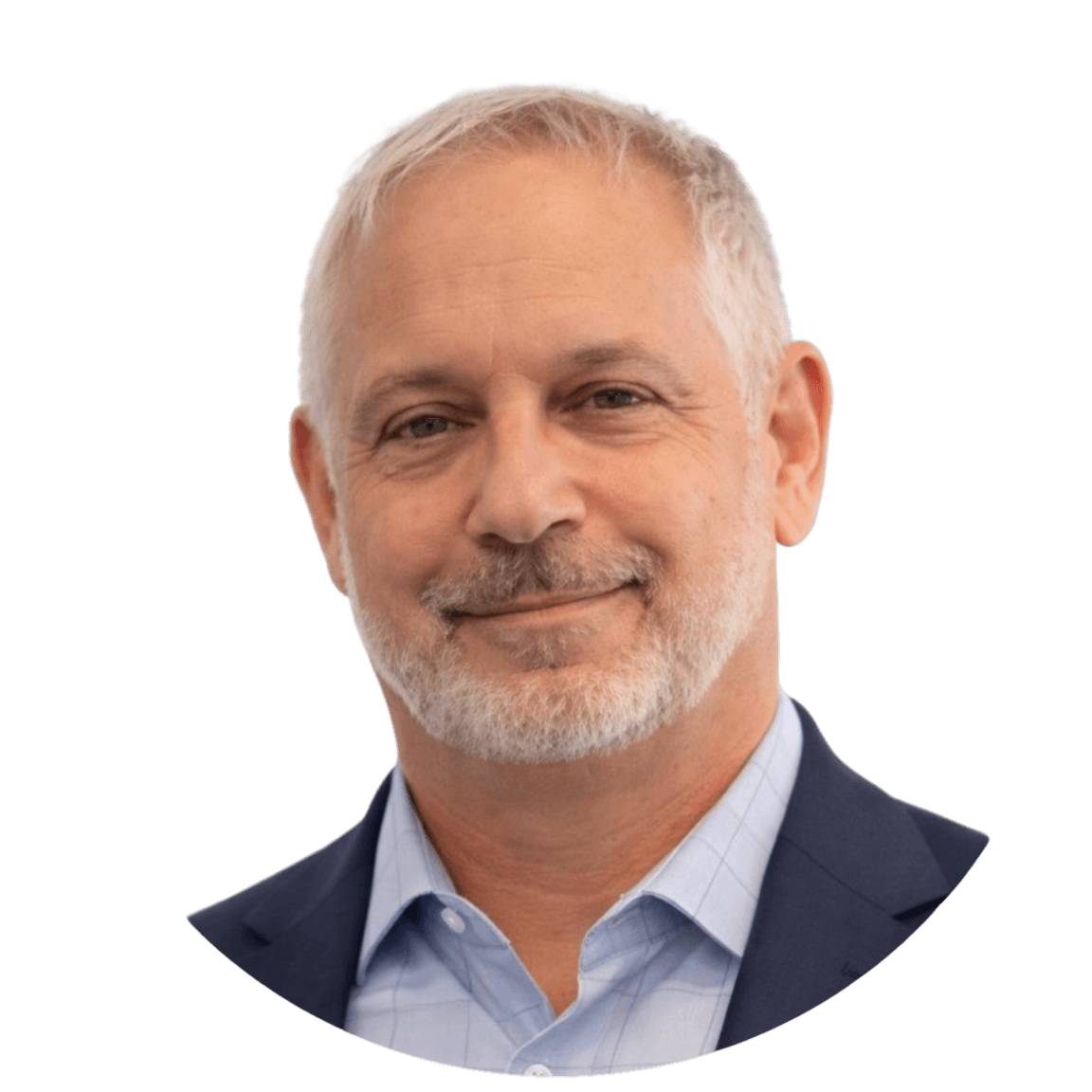
Vic D'Amato, CIH, CSP
NSC Networks, Senior Leader
Vic D’Amato is a Senior Leader for NSC Networks at the National Safety Council. He has nearly 40 years of experience in the EHS field, most recently leading the Safety, Health & Environment program for AstraZeneca’s Global Operations. Before joining AstraZeneca in 2014, he was in leadership and subject-matter expert roles in consultancies providing advice and services to the defense, aerospace, construction, biopharmaceutical, utility, and technology industries, as well as federal and municipal agencies. On weekends, you might find him playing with his band, Amorous Theft, in the Northern Virginia area.
[00:00:13] David Tibbetts: Welcome everybody to this episode of Beyond Prequalification. Really excited about today's conversations with Vic. Really appreciate Vic taking the time to join us. And thank you all for joining us and listening. I think this is gonna be a really good conversation. These are topics that Vic and I have a lot of personal experience with throughout the course of our careers, and we both are very passionate about the topic of SIF prevention as well. So before we kind of dive into that, Vic, if you could introduce yourself to the audience, uh, share a little bit about your EHS career, and then we'll take it from there.
[00:00:48] Vic D'Amato: Cool. Thank you, Dave. I'm Vic D'Amato. I am a senior leader with the National Safety Council's Networks team. And so what we do is we support member companies in a number of areas with regards to occupational safety, health, and in some cases environmental management. So I've been with National Safety Council since, uh, mid-December.
Prior to that, I worked for a global pharmaceutical company that was a member organization of NSC's Networks. And most recently, with that organization for five and a half years, I was the head of safety, health, and Environment for their global operations, which was 30 manufacturing sites globally. But it also included their large, uh, capital projects. Everything from greenfield to major renovations. And so, really kind of understand that the challenges we have with contractor management from that perspective.
Prior to that, I was with that organization for just a little over 11 years. Worked my way from site level to regional level and then to a global level. But I've been in this business for almost 38 years. Started my career in the late eighties, as I think everybody in my career field did and as an industrial hygienist, monitoring asbestos removal projects in schools, but spent some time in aerospace as a contractor at the US Air Force and as a consultant and the majority of my career has been in consulting, but supporting a lot of construction and renovation activities through the course of my career.
[00:02:13] David Tibbetts: Yeah. Awesome. That, and that really sets the stage in a great way for our discussion. We're gonna talk a bit more about the NSC, the important work that you're doing there.
The important work that the NSC is doing, both in terms of research, the networks, you know, turning that research into practice, all intending to move the needle, right. And deliver the safe outcomes that we're all looking for. You mentioned the global organization that you worked with, and I guess whether you're talking about construction and large capital projects, or you're talking about existing operational facilities, all of that requires contractors, right? You need contractors to support that work, whether it's construction or keeping your existing operational facilities going.
And I think it's fair to say, and it's important to say, that contractors do amazing work, right? You need those contractors. Those contractors have a specialty. They deliver amazing work, but sometimes contractors can introduce risk. And some contractors introduce more risk than others, right? And so many organizations, or sometimes it's just factions within an organization, still think that they can transfer risk as it relates to contractors, right?
I'm the owner, I hired a GC, or I hired that contractor. It's their work, it's their risk. So let's talk a little bit about that mindset. Why it's flawed and what risks that mindset in and of itself can really create.
[00:03:41] Vic D'Amato: That's a really great question, Dave. So, um, and you're absolutely right. You made a really good point that it's not just construction that we hire contractors for, and I think that we, we, we saw, at least in the organizations I've worked for, a shift to this integrated facilities management, right?
They're basically the O and M folks for our, for our facilities. And interestingly enough, we always outsource, right? As an organ, as organizations. Those high-risk work, I mean, you know, maintenance work is where your high-risk activities happen. Construction is where your high-risk activities happen. In my industry, there were very few sort of day-to-day processes that were high risk. They were all on the maintenance, the o and m side, and on the construction side. Your question about transferring risk is a really great one because I think a lot of companies feel like we could just, we'll hire somebody.
They're accountable for their safety program, right? But they're gonna have to submit their information, and then really get graded on organizations like Highwire, you know, on whether or not their, their safety performance meet meets criteria. Once that's done, they're like, my hands are off. There's a massive sort of misunderstanding in that because, like I said, they do high-risk activities, and if there's an event, particularly one that results in significant injury, fatality, or even a large near miss, it's not the contractor that's gonna end up in getting the headlines in the newspaper or on the media.
It's the organization where they're working. That's the building, that's the facility that owns that. Cases where you have large, sort of near-catastrophic, if not catastrophic events happen on sites where nobody knew who to blame other than the owner of the site, whose name was on the building, or whose name was on that.
You can recover from a financial loss; you can do that. What you can't recover from is a reputational loss. That is really difficult to recover. So when we talk about risk transfer, I think we ignore the fact that we risk reputational loss.
So I think that's really kind of where the real misunderstanding lies.
[00:05:31] David Tibbetts: Yeah. I think you highlight one of the important risks, and that is reputation. That's a really important risk. Right. I used to work for an owner in higher education, really prestigious university in Cambridge, Massachusetts. We had a lot of construction work, half a billion dollars of construction every year. You recognize that if something occurs on your site, it is your risk, and that could be reputational risk. There are all kinds of other risks as well.
But to your point, it's a great point. The name that's gonna end up in the media, the name that's gonna end up in the news, the reputation that could potentially be damaged is yours. Now that's one aspect of risk. There are other aspects too. I think a lot of people think about, Hey, if a contract employee gets injured, I'm not covering the cost of the workers' comp case. That's their workers' comp, right? That's their injury. It's on their record. It could impact their EMR. It's not ours.
The risk that we're talking about is one, a significant incident that occurs. Your reputation is damaged. We just talked about the fact that there are contractors that you need to support your existing operations, or you could be doing a significant renovation in an operational facility.
Suppose that the contractor impacts that operation, impacts manufacturing, and a manufacturing line is down even for 30 minutes. There's that type of risk as well, right?
[00:06:54] Vic D'Amato: Absolutely. You know, operation O and M contractors, um, you have a significant event, particularly significant injury, fatality.
There's gonna be delay in whatever they were working on. There's investigations that internal and external investigations. Construction's the same way. You know, construction projects are really kind of measured on budget and, and time. And as well as the quality of the product that, that, that's produced.
Any event like that is going to result in a delay. It's gonna result in lost downtime. Uh, for, for, for injuries. Lost equipment. If it's catastrophic and involves equipment, you're gonna have external investigators doing it. You're gonna have the owner investigating, the prime contractor investigating.
All this stuff is going to take time away from the work that was being performed.
[00:07:38] David Tibbetts: Absolutely. And the last maybe major risk to really recognize here is that if an injury occurs on your site, if a significant incident occurs on your site, There's the potential to be drawn into litigation. And that takes time, that costs money. That's nowhere that anyone wants to be.
All of these things can be driven by what we're ultimately trying to prevent in the first place, which is somebody getting hurt. We have a responsibility to make sure that the work that we're doing as an organization, whether that includes contractors or not, is done safely, especially as it relates to the highest-risk work. We can really help to influence that as an owner. Not necessarily with an iron fist, but through the lens of this is a partnership. We need to be engaged together to make sure that we can deliver this work safely.
[00:08:26] Vic D'Amato: I think you're absolutely right. I think, I think you just, you hit the keyword.
There's a partnership, right? It's not, I'm just turning this project over to you, and you're gonna run it. I mean, there's that constant engagement between the owner and the contractor there. I think that is key. And there's, there's that sort of, you know, you have this sort of triangle right, between, in any, any project, and, and whether it's an o and m contract or construction work, uh, you have an owner.
Who sets the standard? Who should be setting the standard for performance, right?
But also on their safety and health records, right? What, what do what, what are the expectations there? You have, so the owner, then you have organizations like Highwire that do the vetting right?
For you know, let's face it, owners don't have the resources to kind of check every box, and so they, they rely on organizations like Highwire to make sure that who they're going to engage meets a minimum the floor of requirements, to do the work. Right? And then you, you have the contractor, right?
Who's gonna perform to that? That relationship within that triangle is key. And it's really imperative that owners set the stage on what their expectations are clearly, and not simply sort of lagging metrics like EMR and TRIR, but if you were trying to like instill a culture that mimics the organization's culture, the owner's culture.
You have to have that partnership. You have to have that cost of communication. That's the only way you're going to share a cultural mindset.
[00:09:48] David Tibbetts: Something you just said and something that you said earlier. I want to kind of dive in on a little bit deeper, 'cause I think it's really important.
You talked about the owners sort of setting the expectation and helping to create that culture. You talked about the role that qualification platforms like Highwire plays or Veriforce plays. I think an important thing to understand is that those qualification platforms are giving you insights, they're giving you information, they're surfacing potential risks.
I think the best way to use platforms like ours and platforms like that is to facilitate conversations because Vic, you're not really in a position to use those platforms to say, oh, sorry, you're eliminated. You can't work here. You're using those platforms to understand risk. Make an informed decision and determine the best path forward.
Right? Because it shouldn't be a point-in-time decision. It has to carry on forward from there, right? So I think that's an important point. Can you talk about that from your perspective and how you've seen that mindset be successful, or maybe you've seen where the mindset was the opposite, where they tried to use it as a, Hey, you can't work here because of that.
[00:11:00] Vic D'Amato: I've seen it work in both instances. Dave? Going back to the, the latter one, like where you're using it as the definitive indicator of who can work on your site and who cannot, right?
You know, you have a principle or a prime contractor and then you have, there, have others working for them. But, and your primary engagement as an owners with that principle contractor, but you might have visibility into your lower tiers.
I've seen where where use kind of those vetting platforms, like Highwire or Veriforce. As a decision maker, and I don't think that's really the right thing, you know? And then it depends on the criteria the owner's looking for. So if we're relying on lagging indicators, archaic indicators like injury rates, total recordable injury rate, lost time injury rate, or EMR, while they're, they're good indicators, they don't tell a whole story.
A small contractor may be very qualified to do the work, but has a recent injury, not a major injury, but one that meets the definition or the OSHA criteria for recordable event. They then have a higher injury rate because they work fewer hours.
So would that sort of disqualify them from doing the work?
They're high performers. They do a really good job. Minor injury puts them out of the game. I think that's really using, using these vetting platforms that rely on lagging indicators where owners are prescribing the lagging indicators they want contractors to meet, I think is really, uh, it's a bad practice.
It doesn't always get you the best because let's face it. what you report, is only what you know about and, and if, if you're trying to drive injury rates and these things down are, you are, the question is, are you really discouraging actual reporting?
You make a really great point about this partnership. You use it for insight, not for decisions, but for insight. If a contractor has a, a particular sort of trend of injuries, you can ask the owner can ask. What are you doing to mitigate those from occurring? You obviously have a risk that's not well managed.
How are you going to mitigate that risk from occurring over and on my projects? So I think those using those platforms like, like Highwire, like Veriforce, and others to gain insight on what's going on, asking questions, you know, using very human organizational performance principles.
Use it as to to, to drive humble inquiry. Why is this happening, and what are you changing? And I think that's where you get the real conversations and the real, that real partnership developed. And that's where you can kind of really start to share that cultural mindset that owners should be looking for.
[00:13:26] David Tibbetts: I think there's a couple important things that happen when you have those conversations. Number one, it shows the contractor that this prequalification exercise was about more than just checking a box. I care about the result. I'm not gonna eliminate you because your TRIR is elevated, or your EMR is elevated.
I wanna have a conversation, and I wanna understand more. To your point, a very simple question to ask is if you've identified any trends associated with injuries that are resulting in an elevated EMR or elevated incident rates. What are you doing as a company to try to improve as you go forward?
Implemented any new programs, delivered any new training, developed some JJ's for the activities that are resulting in the most injuries. Right. Hopefully, the contractor has answers like that. If they don't have a good answer, the conversation goes down a different path. But in any case, you've set an expectation, you've let them know that the results matter.
You've also let them know that it hasn't eliminated them. You want to talk about it, and there's a path forward for them to work on your site that might result in a very specific action plan to help make them successful on your site, like you just mentioned. But what I believe and I hope to be true is that that type of engagement between owner, maybe there's a GC in the middle, and the trade contractor helps that contractor to become a better, safer company over time.
[00:14:45] Vic D'Amato: Absolutely. 'cause we want everybody to be safe. It doesn't matter what tier in the organization or what tier in the contract. You, you, you are. We want everybody to go home safely.
Particularly, we talk about that, what we're doing to control significant injuries and fatalities and high-risk activities. So I think, you know, it doesn't matter who you are, and we talk about risk transfer. You know, a fatality is a fatality. That's a lost life. Doesn't matter where in the chain yard, it happens on your site.
That has an impact.
[00:15:11] David Tibbetts: Yeah, absolutely. And this will, this will take us nicely into the SIF conversation in just a bit. One of the gaps that can tend to happen, you know, kind of sticking with this prequalification conversation, is you're an owner, you hire a GC, you vet that GC.
Guess what? Most GCs look really good on paper. They're sophisticated, right? They don't self-perform a ton of work, so their incident rates look great. And so then, well, maybe you, then you're gonna evaluate the prime tier contractors, the major contractors, the electrical contractor, the mechanical contractor, the site contractor.
Great. Maybe you've gotten to the level where you're evaluating the prime tiers, but, Like you mentioned, a lot of those prime tiers they're gonna subcontract out potentially a significant portion of their work to another specialty trade contractor. Maybe they need to hire a crane company to hoist materials and equipment.
Maybe it's a steel erector who's hiring a Miss Metals company. And that could continue to go down that chain. Talk a little bit about how risk can potentially increase as you continue to go down lower tier, lower tier, lower tier, and what some of the gaps have been in your experience.
Some of the challenges around making sure we understand the risk that every contractor presents, regardless of the tier.
[00:16:26] Vic D'Amato: I think the real, the, the real challenge is, you know, we can, you know, like you said, we can hit our principal.
We, we can understand sort of the risk. We could vet our principal contractors. But when you get down to those lower tiers, I mean, some of them, you know, while may, some may be skilled trades, some may be unskilled trades, and we, I've run into instances. Where you have language barriers between the hiring contractor, let's say.
And, and this, the lower-tiered subcontractor, particularly around low skill activities, and this is big in Europe, is, you know, where there's, there's multiple languages spoken. The assumption is that everybody understands English well. That's not a really good assumption to make. And we, you know, you give instructions.
And the person who's gotta execute doesn't truly understand what you just said, and it results in a, in a significant event. So managing those lower-tier subcontracts difficult. And I think that, and Dave, I think you probably recognize this as well, uh, here in the United States, we're in a massive Building phase. You know, the pharmaceutical industry, industry I'm familiar with, is expanding everywhere in the us right? So really, the resource pool of experienced people, particularly at that lower tiers and unskilled labor, where you have a lot of high-risk work going on.
The labor pool is, is really small. It's, you know, you never know where, who you're, who you're getting. The challenge with that is, is how do you get your, you know, you vetted your top-tier contractors, how does that go down? And you know, you can try strategies like, well, making sure that your top tiers vet all the lower tiers.
But I think the biggest challenge is the visibility to some of those lowest-tier contractors and what they're doing. You mentioned about crane. Sometimes you hire a crane company, sometimes. Company hires a crane, you know, and an operator who are two different organizations, right? And, and so, and, and let's face it, any kind of lifting operation like that is a high-risk activity.
And I've seen it firsthand where things can go horribly wrong very quickly. And so understanding sort of how those things work, and who's really gonna be accountable for making sure that who shows up on site has a minimum qualification, not just in their TRI arm, but do they understand the risks that they're dealing with?
What controls do they have in place? Both direct and indirect controls that they have in place to make sure an undesirable or significant event or significant injury fatality occurs. You know, so you talked about JJs and all that. But you gotta understand it and, and who is accountable for that? I think ultimately it's the owner, but this is where the owner needs to build that partnership and that relationship with their highest-tier contractors.
[00:18:55] David Tibbetts: Yeah, I agree. You know, it is a challenge to get down, especially to the second, third, and fourth-tier contractors. You could say that, well, we're gonna rely on our prime tiers to vet their lower tiers. Part of the challenges we had at my previous employer, and the reason that Highwire was created, is that even when you leave it to your GCs to do it, you haven't set the expectation for how it's done. Each of them does it a little bit differently. Some maybe do it better than others, but you don't know how they're doing it necessarily. You can't hold them accountable to any kind of consistent approach to doing it, and it's hard to drive the right conversations when you do it that way.
So owners do have the ability to kind of set an expectation, engage with their GCs, set the expectation that every contractor who sets foot on our site to do work is going to be evaluated the same way, so that we can have those conversations. And then to your point, because look, some of those contractors are gonna be less sophisticated.
They're not gonna have the robust sort of management systems that we would hope to see. From there, it becomes very important to sit down and say let's sit down and let's talk about your scope of work.
Let's talk about what are the activities associated with your scope that have the potential to result in a SIF. And let's make sure that we understand when those are approaching on the schedule, that we have a good plan in place, that that plan is communicated with the team. And then, importantly, again, don't just stop there when it's time to start doing that work; let's monitor it and make sure that we're executing it according to that plan.
We've got to do that if we're truly gonna be able to make sure that we are executing the highest risk work safely.
[00:20:36] Vic D'Amato: That word monitor, we just gotta make sure we're paying attention. You don't just go to a meeting and say, here's my JHA, I'm gonna go out and do this high-risk activity, and everybody goes, okay, good, go. You gotta monitor. Somebody's gotta be there to make sure that yes, the whatever controls we agree that we're gonna put in place are in place and are effective. So monitoring is key.
[00:20:55] David Tibbetts: Yeah. And I think one of the metrics that I think is most widely considered to be a SIF metric that we could and should track is how often are we effectively implementing direct controls targeted at the high energy hazards. 'Cause you could go out in the field and you could do a general walk around, an inspection. You might come up with some findings, but really, if we're truly focused on SIF prevention, we should be doing focused job site walks where we say, what are the high-risk activities that are occurring today? Let's go out and look at those and let's go out and look at those and say, if there is a fall hazard associated with that work, is a direct control in place? And was it implemented effectively?
[00:21:44] Vic D'Amato: Absolutely. I think we spent a lot of time looking at fire extinguishers and walkways but if we're, if we're spending 80% of our time doing that and not focusing on the high-risk activities, we've missed the boat, and we've, we've, we, we, we are not really monitoring, but I think you're absolutely right.
What are those high-risk activities going on there as owners, as principal prime contractors? Are we going out to make sure that the work is being done, with the right controls in place? As you referenced, direct controls for those high-energy activities are in place, and that they're effective, and that the people that are doing the work understand the importance of those controls as the work is happening.
Not three days before it's happening or anything like that, but as the work is happening.
[00:22:23] David Tibbetts: Yeah, absolutely. And then to take it a step further, if those workers are out in the field, and they are executing high-risk work, and let's face it, like construction sites are dynamic. There are things that we don't anticipate.
If they go out in the field and they recognize that, hey, you know, the direct control that we were gonna implement, it's not really gonna work because of X, Y, and Z. Are they empowered to stop, to pause, and to engage and say, Hey, let's think about how are we gonna do this safely? Because things as planned are not always the way that things go.
Right? We, we, we know that conversation happens. So I think that's an important aspect of SIF prevention, is that empowerment for a worker to step back and say, Hey, we need to talk about this a little bit more.
[00:23:08] Vic D'Amato: Agreed. I think that, you know, like you said, whether it's o and m work or whether it's construction, as you're doing any sort of these, these activities, you know, there's a difference when o and m work between, you know, preventative maintenance and corrective maintenance.
Corrective maintenance, you go when something breaks, right? There's really not a big plan for corrective maintenance. It's a lot of troubleshooting and, and doing things like that. So you're absolutely right. When things don't go as planned, we all, we have to make sure that stopping work is encouraged, that it's expected, and that we make sure we pause and we have the right controls in place.
And, you know, if direct controls don't work, what are the other alternative controls that we can use to make sure that we, that work proceeds safely?
[00:23:48] David Tibbetts: For sure. So you know, we mentioned TRIR already, which has been a metric that we've relied on heavily. And I think there, there are some great successes that resulted from us focusing on that. So I'm always a proponent of recognizing that we've done a great job reducing recordable injuries over the course of the last 30 years, and what it means is that hundreds of thousands of fewer workers are getting injured today, as compared to 30 years ago.
And that's a great thing, right? Obviously, we now recognize, and we're recognizing more and more every day, that, you know, focusing on TRIR has not resulted in a reduction in fatalities. So what's missing from your perspective? Where should organizations start to focus?
What are some of the things that organizations should do if they wanna really focus on actually preventing serious injuries and fatalities?
[00:24:39] Vic D'Amato: Yeah, I think you're, you're absolute, Dave. I think there is a place for TRIR; we're always gonna have it.
I mean, it's a, it's a regular in these, in the states. It's a regulatory, uh, requirement to kind of track that. I mean, track recordable injuries, I think we see a reduction in TRIR over the past 30 years. Fatalities are still around 5,000 a year.
We're missing something there. I think when it comes to betting organizations like Highwire, Veriforce, and others. I think there's a, the propensity to kind of rely on TRIR because it's a standard metric. There's a way to calculate it, uh, even though it's, it's sort of misused.
Uh, and, and the same for LTIR, you know, I mean, these things, there's, there's a calculation that goes in there. So everybody thinks it's scientific, but it relies heavily on reporting. It's not a good indicator of SIF reduction. And I think, you know, we, I think we've, over the years, we've kind of disproved Heinrich's Triangle as a, as an indicator of if we get this many observations, we're gonna have this many near misses and this fewer, fewer number of incidents, and we're gonna end up getting rid of fatalities.
And I think, no, I think we all agree those safety fatalities, significant injuries, and the fatalities happen in normal work. The trick is, is I think, um, and I know EEI, uh, the Electric Institute has done something around, you know, this SIF prevention using the stuff that can kill you, wheel this sticky wheel and focusing the, this kind of review on high-risk activities, hazard identification.
And allowing folks that are in the field to go through this, this exercise of identifying, I got this high-risk activity, here's this hazard, how do I reduce the risk of this hazard occurring? Right? And going through that with these direct controls and when direct controls aren't available, alternate controls, um, whether it's PPE, or, um, and in some cases, PPE is a direct control, but PPE or procedures or, you know, using three-way communication or whatever to make sure that everybody's aware.
When it comes to, to kind of identifying the right sort of metric that we wanted, come up with around that. It's really difficult, but I think if you look at the energy-based safety concepts and the HECA kind of review, eEI, sticky review. We should be starting to look at how many times that we have direct controls in place.
Right? We don't wanna wait for a SIF to happen and start counting SIFs that you're looking again in the rear view mirror and somebody has lost a life. I think that's, that's, that's not really how we wanna measure success, is how few people lose their lives on our jobs. We wanna measure success about the controls we put in place to make sure that we have adequate controls in place, that the people executing the work understand how those controls work, and understand the work that they're doing.
I think if there was a metric that we could all agree on, that would be great. I think right now we're still kind of in that, what's the right leading metric for SIF prevention? I know that the ASTM 2920 standard has, what they've introduced now is this concept of controlled versus uncontrolled safeguards, right?
Or, or uncontrolled, uh, events. Again, it's waiting on an event to occur, so if you're looking at like a near miss or a, a piece of a potential, a significant injury fatality event. You can say, do, do we get luck or do we good? By measured, was it controlled or uncontrolled? But let's get in front of that too, and let's talk about using this, this sort of energy-based safety EEI concept of looking at what direct controls do we have in place?
The HECA, the HECA process, right? The high-energy control assessment. What controls do we have in place? Where could we do that? And I think we're not talking about, I mean, every single, you know, activity, but all those high-risk activities. Really hard on construction site because we've got a lot of moving vehicles, moving in different directions, a lot of overhead work, a lot of high-risk activity happening.
But I think if we could focus on this kind of assessment of direct controls and alternative controls that we put in place, if we can agree on a leading indicator in that space. That will change things.
[00:28:20] David Tibbetts: Yeah. And I definitely think that's one of the best ones is measured as the percentage of, of success versus the percentage of exposures, is one way to think about it.
That's outlined in the Energy Based Safety book, which is, which I think is a great resource. If folks haven't read it. Matthew Hallowell from the Construction Safety Research Alliance. Tons of work over the course of the years with organizations and, and members and, and really resulting in a really good read. I would recommend it to everybody.
Um, you mentioned the ASTM standard, which I think has potential to be somewhat transformational. I think partly the reason why we were so successful in reducing TRIR over the years is because it was well-defined. Everybody was measuring it the same way. We were able to aggregate lots of data, learn from that data, and drive it down.
We were all kind of looking at it consistently. I like to think that the new ASTM standard 2920 has the ability to create some consistency across industries. Such that we can share similar learnings. I would tell you that we have a, a SIF working group at Highwire with about six or eight of our clients, and what the data tells us is that there aren't that many true incidents that occur that have SIF potential. Recordables, near misses, first aid cases that have SIF potential. We have identified about 10 or 12 last year across the, the group that we've been working with. But beyond that 10 or 12, we have identified more than 120 instances where a high-energy hazard was present, and there was no control in place. Those are really the, the data set is going to come, in my opinion, from being out in the field and making observations of whether or not direct controls were in place or not, and this would be no surprise to you, the vast majority of those exposures that we categorized as having SIF potential involved false fall exposures, right?
[00:30:16] Vic D'Amato: Yeah. That's, yeah, no surprise.
[00:30:17] David Tibbetts: No surprise. Every time you give somebody a harness and a lanyard, and you say, make sure you use fall protection, and then you, you, you kind of leave it up to them from there, oftentimes you're gonna see some things that make you scratch your head.
Right? So you know that, again, it just sharpens what we already know, that we need to do a better job. Through planning, training, monitoring of making sure that when we say you're working at height, there's the potential for a fall exposure that we've done everything that we can do to make sure that we're gonna be able to mitigate that risk the right way when somebody is actually at the point of work.
Right?
[00:30:55] Vic D'Amato: Absolutely. I think the best leading indicator, a true leading indicator, is what are we doing? And, you know, indicators gotta be measured somehow, but what is the, what are those activities we're doing, before work begins, to ensure work happens safely? That's a leading indicator, right? Not what happened afterward.
And I know that when you look at some of these near misses and SIFs, the lagging a bit, right? They're better than an actual event or injury, but they're still lagging a bit. And, and so a true leading indicator would be something that, before work begins, we implement it, we do a review, we do a monitoring, and then, you know, we measure how many times we're engaging and intervening before work begins to make sure work happens safely.
[00:31:35] David Tibbetts: Yeah. And I, I really appreciate all the work that the National Safety Council has done and is doing. The Campbell Institute. The executive business issues forum that you guys run to talk about the biggest challenges that we're facing and how to solve those things. NSC has a great SIF prevention model that anyone can access that follows the plan, do, check, act framework. I think one thing that's important for people to understand, and I'd love your perspective on it, is that, as you start to incorporate SIF prevention principles and practices, you don't have to create brand new programs and brand new processes. You don't have to reinvent the wheel.
Nobody wants a whole bunch of new safety things. But you can incorporate those principles into everything that you're already doing. I'm curious what, what you all have seen from some of your members and members of your community that are doing that, that are incorporating some of those principles.
What are you seeing across your members that, you know, who are being successful in doing some of this stuff?
[00:32:39] Vic D'Amato: Yeah. And, and some of the things Dave are, are not happening in the construction industry. They're happening across industries.
And really, if you look at it, it's this integration of human organization performance, or HOP, safety two, or whatever. And using that as a lever for SIF prevention. And I think, you know, you're absolutely right. You don't wanna do something different. It's not, it can't be a flavor of the day. It can't be, oh look, we're gonna initiate the, the start this new initiative here.
But I think some of the things that, that, that I've seen, that some of the, the organizations are sort of leading this space is using the hot principles, to start to look at work before it happens, right? That humble inquiry, that, that getting, getting the front line to kind of feedback what are the right controls, what controls work, and which controls don't work in making sure that that high energy hazards are actually controlled.
And I think companies are starting to latch onto that now. It's, you know, it's, it's, you know, EEI started this years ago and was able to integrate it into their business processes for, for field work and things like that, and getting people to start to talk about it.
I think it's that kind of same evolution that we're gonna have to see. It's not a revolution, it's just an evolution. So we're not changing things dramatically, but we're taking what we're doing and making it better. And I think that's key. I think one of the benefits that we see, you know, from how the Campbell Institute does research is that they'll find something.
They'll poll their members. What SIF prevention activities are you implementing? Which ones are working, which ones could be improved? And they publish this data, right, of who's doing what. And it's, that data is available, the publications are available to anyone. You don't have to be an NSC member or Campbell member to get the publication.
And then we do research to practice what does this mean? And we come out through, through forms like EBIF and the Occupational Safety and Health Network and those sorts of networks. And companies share what they're doing. I heard some really good stuff, as I said, from even another pharmaceutical company that's using AI in their data management systems to identify when somebody enters in a near miss, this could be a SIF, right?
So now put controls in place to identify these things that wouldn't be previously be identified. There's a number of things that are going on in, in a variety of industries. AI is helping a lot, both from computer vision, AI in routine operations, but also mining the volumes of data that we have AI to identify. Hey, these are some trends here that could potentially be SIFs that, that we never paid attention to before.
So those are some of the things that I think some of our membership is doing. I think the real value is these benchmarking meetings where we talk about what each is doing, and we have this open conversation about how I can learn from you and how you can learn from me. And I think that's really key.
[00:35:11] David Tibbetts: There's absolutely so much that we can learn from each other. One of the great things about the safety profession is just that, right?
[00:35:18] Vic D'Amato: Safety is not a competitive advantage for your organization. We all are. We're all in this business for the same thing. We want people to go home at the end of the day, have a successful workday, and go home to their families at the end of the day. I don't think anybody can argue that. That is not a competitive advantage that keeps company a little bit better than company B, right?
If everybody's driving towards the same goal, you know, we're all gonna be better.
[00:35:40] David Tibbetts: Yeah. And I think you mentioned HOP. I think so many of the principles of HOP apply when we think about SIF prevention. The one that I think about a lot is that the way leadership responds to failure matters. And when I think about some of the things that we've done with TRIR and how it's been misused, there are some lessons to be learned there in terms of how we start to aggregate data around SIFs, and our success in, you know, managing, uh, SIFs. How we share that data with leadership, what the messaging is, and how we respond to it. Because the other important principle is around learning. And so I think when we do start to more and more collect this data, aggregate it, share it, and talk about it.
It should be done through the lens of, of learning and education, and improvement. If you think about real world application of it, right? A contractor on your site is involved in an incident that had the potential to result in a SIF. The conversation that you have at that moment kind of determines how likely you are to get that information going forward, and how likely you are to learn from that.
Events like that going forward. So I, one thing that resonates with me in my own mind, hopefully with others, is that we need to really think about how we respond to failure. If you want to even categorize it as failure when it's a near miss or an exposure, what do we do with the data? How do we talk about the data?
How do we talk about the incidents with our partners?
[00:37:20] Vic D'Amato: That is a really great point. And, and, and, and I'll change because I think the most, sort of the, the, the, the cornerstone of the five hot principles. I mean, all of them are important, and you're absolutely right. How we react, how leaders react to events, is key, but it all drives learning.
If we, you know, we have to learn. That is the key is. If we're not understanding and event what happened, whether it's a near miss or actual a real event, if we're not understanding what happened there, we can't change. If we don't learn from that event, we can't make a change. And if we can't make a change, we're never gonna improve.
It's doing the same thing over and over again. And you're, abs you, you're absolutely right, Dave. Think about it. How many times have you heard this story? Well, contractor a. You know, they, they had this event where we did the investigation. They violated a procedure, so we threw 'em off the site.
Great. What have you learned to make sure the next contractor comes on to ba to backfill them? Is it gonna have the same mistake? Right? Was it a procedural thing? Was it a, you know, was it an environment thing?
But we'll never know because they're not around anymore. And I think that's key is, is you're absolutely right. If we're not, how we react to these things matters. And, and how we react to them is going to determine whether we're able to learn from the event. And if we don't learn, we're not gonna be able to change.
If we don't change, we're not gonna improve.
[00:38:37] David Tibbetts: Yep. We're not gonna drive fatality rates down. If we can't learn and we don't change. So, awesome conversation, Vic. I think something you mentioned is really important. The research that the Campbell Institute does, the lessons that are learned from the EBIF and other networks are available, right?
You don't have to start from scratch. If you're listening to this podcast and you wanna start to focus on SIFs and SIF prevention. You know, you might feel overwhelmed, but you don't need to. There is so much really great resources out there. So many publications. And I know for me, when we started talking about it with some of our clients, I leaned on a ton of that research, and it really made it easy to start to think about how we wanted to start incorporating those things and having conversations and tracking those things.
So, ton of resources out there. If folks wanna learn more about NSC and the work that NSC is doing. If they want to get more involved with NSC, can you talk a little bit about that? We will certainly, when we post this podcast on our website, we're gonna share a lot of the things that Vic talks about today, access to key links and resources, and things like that.
But if you could just talk a little bit about where listeners can go to find out more, to get more involved.
[00:39:51] Vic D'Amato: Absolutely. So there's, there's, there's a number of places you go, whether you're a member or not, that have, have resources available. So we talk about SIF prevention specifically.
If you simply go to nsc.org/sif, it will take you to NSC's landing page on SIF prevention. There's two key things on that landing page. One is the SIF Prevention model that you spoke of, Dave, that looks at the PDCA cycle in that. And it is really built for companies who are just starting this journey on SIF prevention, focusing on high-risk activities and what controls you have in place.
Um, it's, it's, you, you could be paper-based, it's not digitized. You could certainly digitize it. Any kind of application word, Microsoft, Excel, whatever. But it's, it's, it's very basic principles if you're just starting this journey. The other thing that's interesting on that page is a digital platform, built by comp science, that is called the Safe Work Plan, which is actually a digital platform that uses AI to do digital risk assessment. So if you simply type in the activity you're doing, you just have to; you don't have to list the tasks. It'll tell you, based on using AI, what those tasks are, what risks are associated with those tasks, what controls are in place, and you can actually go in, and it'll tell you relative risk rating for each of those activities or tasks within that, that work.
If you go in and you click on which controls you're gonna implement, it'll, and it will actually give you a real-time risk reduction rating. So that's kind of an interesting tool. But both of those things, um, you can go in, and anyone can go to nsc.org/sif and get to that page, and so those, those, those resources there.
The other resource we have at NSC is we have a communities page, and there is actually significant injury fatality prevention community out there. You don't have to be a member to join this community. Simply go in there. I'll provide a link in the, in the transcript here. Click on there, and you can just join that community.
And that is a, if you kind of think of, I hate to use the term Facebook for SIF prevention, but people can post, there's, there's resources available in that community that you can get to. On the broader NSC side, you know, there's, there's a couple of things that I'll put in there. There's a link to kind of some of the benefits that we have there.
If you join networks, you get access to our occupational safety and health benchmarking meetings. You get benchmarking information. You can, uh, you join the EBIF, which is our Executive Business Issues Forum, which is the highest ranking EHS folks within organizations, where you get to share data.
We benchmark constantly with each other. You also, you know, can, can go and, and look at Campbell research, uh, although that's available to the public, but you can also kind of look and go, instead of trying to go talk to individual companies, you can look at those, those things and say, okay, who's something really interesting?
And then go to talk to the organization themselves and understand that. The great thing about these meetings is we all, uh, operate under Chatham House rules, which means I can tell you all the really bad things that my company did, and the rule is it doesn't leave the space, but we can learn. It's a way that we learn from each other.
So I'll, I'll post some of those things. There's also NSC divisions that are very specific around particular industries. And so each of these things, I'll, they'll put links in the transcription that people can learn more about these, these opportunities out there. You don't have to be a mature company to get into SIF prevention.
Everybody can do it. Everybody needs to start working in this direction.
[00:42:57] David Tibbetts: Yeah, absolutely true. As you can all see, there's no shortage of resources available, uh, through the NSC. I know I have personally just started to get more involved through Highwire's, now parent company, Veriforce.
I'm looking forward to continuing that. I'm a member of that SIF community, which has been great and, uh, like I said, certainly looking to continue to get involved. So, great conversation today touching on one of the things that is near and dear to all of us. SIF prevention. I don't think I'll ever do a podcast or a presentation or anything in the next several years where I don't at least talk about SIF prevention in some way, shape, or form.
I think it's a really important moment for us. There's a ton of momentum around it, and I want to keep it going. Uh, and I know that you do too, and NSC does as well. So, really appreciate the time, Vic, awesome conversation, and hope you enjoy the rest of your week.
[00:43:47] Vic D'Amato: Awesome. Thank you, Dave. Appreciate it. It was a great conversation and have a great week.