How do proactive planning and strong relationships create safer, more successful projects?
In this episode of Beyond Prequalification, David Tibbetts, CSP, Chief Safety Officer at Highwire, talks with Robert Pieters, Safety Manager at Riley Construction, about how engagement, empathy, and planning form the foundation of Riley’s safety approach.
Robert shares how six-week lookaheads help identify and plan for high-risk work, how leadership walks strengthen trust across teams, and why training moments in the field often make the biggest impact. He also discusses Riley’s commitment to developing the next generation through pre-apprenticeship programs and hands-on learning experiences.
Whether you’re leading crews or managing programs, this episode offers practical ways to improve communication, elevate performance, and build safer projects through partnership.
To learn more about Riley Construction, visit rileycon.com
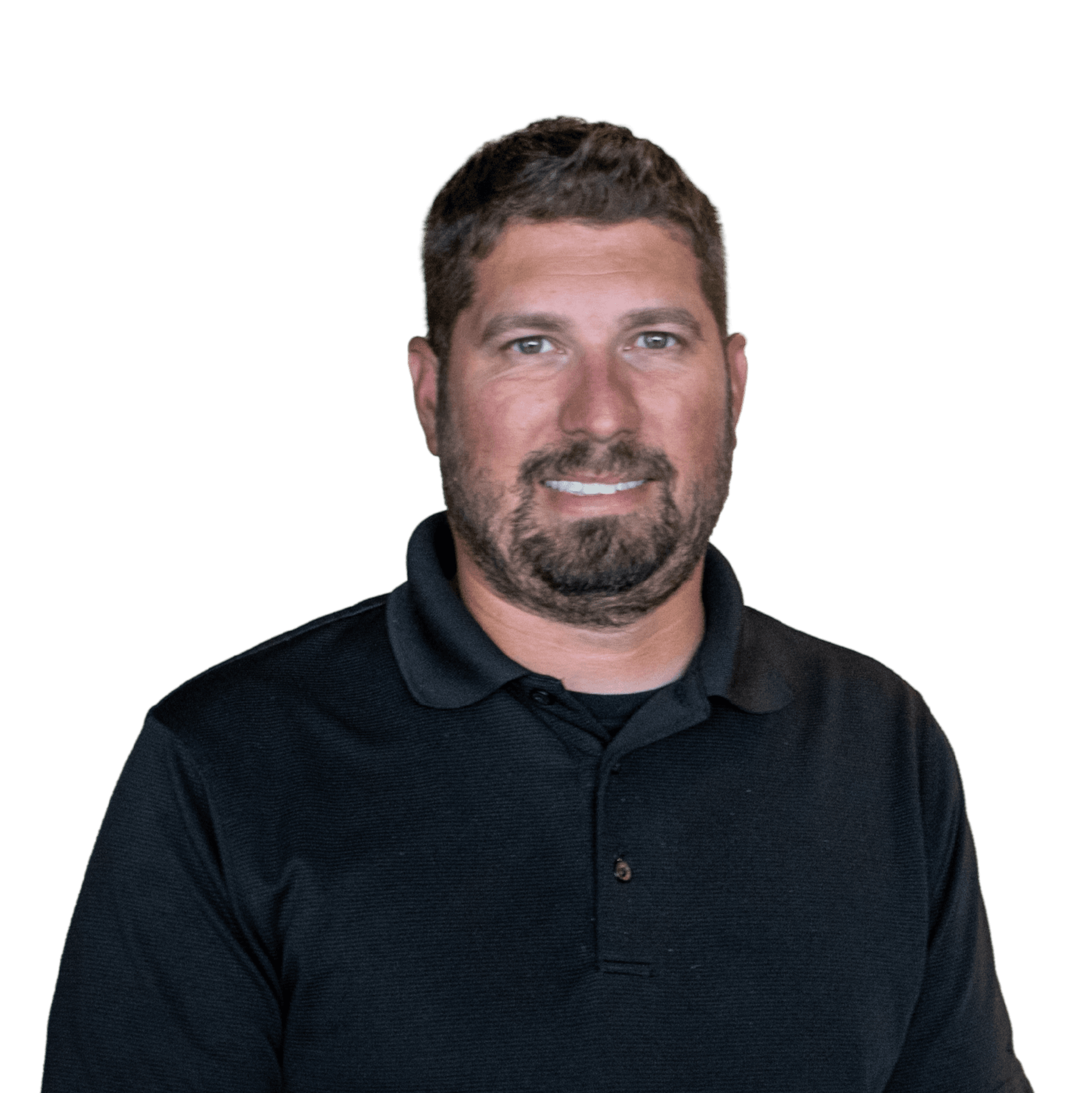
Robert Pieters, CRIS
Riley Construction, Safety Manager
Robert Pieters is the Safety Manager at Riley Construction, bringing over 16 years of experience in construction safety and risk management. He has led safety programs across a wide range of projects throughout the U.S. and is dedicated to fostering collaboration and building a culture of safety on every jobsite.
[00:00:13] David Tibbetts: Welcome, everybody, to the Beyond Prequalification podcast. I am happy to be joined today by Robert Pieters from Riley Construction. First thing, if you could just talk a bit about yourself.
Share how you got into safety, what your career journey has been that has led you to Riley.
[00:00:30] Robert Pieters: You know, I probably took a different approach to safety. Um, it wasn't something I pursued as a career. And to be honest, it was something that I didn't realize was a career when I got outta high school.
So, started attending the University of Whitewater for college, uh, University of Wisconsin Whitewater. Was taking some classes there. One of my buddies got me involved in a safety class. So I took it and really enjoyed it. So I changed my major to safety. And it's been a great career since.
[00:00:56] David Tibbetts: Yeah. That's awesome.
It's a, it's not a, an uncommon story for safety professionals. Right? Uh, I think when you come outta high school, it's, it's probably not a career that's on many people's radar. And, uh, there's a school near here, up in New Hampshire called Keene State, where many safety professionals who work in and around Boston in New England have gone to Keene State.
And they didn't go there with the intention of becoming a safety professional, but they learned about the program that Keene State had, and they ended up kind of you know, getting into that field. And, you know it, it is a great program. It leads to a lot of great internships and co-ops during the college years with some of the, you know, kind of leading general contractors around here.
So, yeah. Talk a little bit more if you can, about the program at Whitewater, 'cause I think it's great for safety professionals to understand what programs are out there, or people who are interested in safety.
[00:01:46] Robert Pieters: I graduated with a degree in occupational safety and health, with an emphasis in construction.
Uh, so my background was more in construction, you know, through high school, and when I got outta high school, I worked in construction. So, it was kind of natural for me to gravitate towards the construction field and the construction safety. So, no, it was a great program. A lot of fun. Good, good people, a lot, met a lot of people there, made some good friends.
Uh, still talk to a lot of 'em that I went to school with. A lot of 'em work for other construction companies and companies out in this area. So it's good to see that you run into a lot of faces, so you have a lot of good connections, when you get out of school as well. So, um, good overall program and, uh, good pipeline for safety, safety professionals.
A lot of our interns, that we have, uh, a good majority of 'em come from Whitewater as well, so. Good program that they have there.
[00:02:36] David Tibbetts: Yeah. Awesome. That's great to hear. So what was your path that, that kinda landed you at Riley Construction ultimately?
[00:02:41] Robert Pieters: So I bounced around. Um, I started with my internship.
I started with a large, uh, utility company, working there. Did an internship there and then, uh, spent a couple years there working with them, working on some power plant projects. And then, uh, we were working with a GC at the time and. They were a pretty good company. So I jumped on with them. I worked there for a couple years.
It was a great company. Had a lot of fun working with them. Traveled the country, had a lot of experience working on big projects, um, hospital projects, power plant projects, so a lot of variety of projects that I was involved with, uh, with them. A lot of traveling involved. And at the time, you know, it was a decision for me to move home, settle down, uh, to be with my family.
So I moved back home. Was working for a smaller contract contractor outta my hometown. And, uh, I worked there for a few years, and then this opportunity came up at Riley, a little larger company, a little better opportunity for me to grow in my safety career. So I took that and, you know, I've been here two years now, and it's been a great move and a great company to work for.
[00:03:45] David Tibbetts: Always nice to kind of get closer to home at a certain point. Traveling is good for a while, but sometimes you wanna be closer to home. Right. So, tell us a bit more about Riley. Who is Riley Construction? Where, where do you guys perform work? What types of projects do you take on?
[00:03:59] Robert Pieters: Riley Construction was founded in 1965. We're a regional construction firm. Uh, we have over 200 employees. And we have offices in Wisconsin and Illinois. We serve clients in a variety of markets, healthcare, industrial, commercial, biopharmaceutical, municipal, and educational.
Some of the services we provide are pre-construction, construction management, general contracting, and design-build for new and existing facilities. And a part of the reason I like working here is, uh, you know, not only do we do all those types of projects, but we also have a self-perform side.
So I get to interact with a lot of our employees that we have as well.
[00:04:39] David Tibbetts: So from a self perform perspective, how does, how, how do you see that?
Like, how does that benefit Riley Construction from a safety perspective, even from just an overall project delivery perspective? How does it benefit Riley, but also how does it benefit your clients?
[00:04:54] Robert Pieters: So, when we self-perform the work, we maintain a tighter control over the cost and the schedule of the project.
But we also elevate the consistency of safety, and the quality on our projects. And personally, I like it when we self-perform the work, 'cause we're working with our craftspeople who are trained in Riley safety standards, and they understand the responsibilities and our culture here at Riley.
So, working with them is a benefit for myself and for our company. From a project delivery standpoint, this reduces the reliance on multiple subcontractors. So we can better manage, uh, schedules, respond quickly to issues that arise. And then it drives efficiency. And for our clients, the result is certainty.
Projects are delivered on time with fewer delays and a higher level of craftsmanship.
[00:05:39] David Tibbetts: Yeah, there's certainly a lot of benefits to it. Of course, you still rely on trade partners, and we will kind of get into that a little bit later. Those, uh, are relationships that are really important to any general contractor, and the ability to deliver projects successfully.
So we'll talk about that a bit. We're gonna talk about a few topics that are near and dear to my heart. That are incredibly important to the success of any safety program or the successful delivery of a project planning, training, the importance of inspections and audits.
Leadership engagement. We're gonna start to touch on some of those things, uh, and trade partner relationships as well. But at a high level, if you think about Riley's safety culture, what you guys have built, what you're trying to build, from your perspective, what makes it unique? What are you guys trying to build? What have you already built?
Safety culture is critical, right? We can have all the best written programs, we can all have all the best plans and processes, but if you don't have a strong safety culture, you're gonna have a difficult time executing and delivering work safely, and just building the right sort of mindset around safety.
Can you talk about Riley's safety culture?
[00:06:47] Robert Pieters: You know, here at Riley, safety is kind of built into what we do. We incorporate safety through our processes, our conversations before a project. During a project and after a project. So we're evaluating safety at every step of a project before, during, and after.
You know, we're never satisfied with where we're at. We're always looking for ways that we can improve, you know, from top to bottom, that goes from management to our guys in the field. You know, they're always looking at ways that we can improve on safety, improve efficiency, improve quality.
So, you know, it all goes together. You know, another part of that is we have a great group of field leaders that are putting work in place, and they take pride in running safe and successful jobs. So when you have guys that are bought in and actually take pride in the work that they're putting in place, you know, that really helps the overall safety.
And then the last one, you know, we have, uh, we, we, we built, and it take, it takes time. But, you know, I think with having a great group of guys, great field leaders, great executives, everybody coming together is. We have good conversations out in the field, and we have honest conversations about what's going on.
Sometimes, you know, we don't like to hear certain things are happening, but, you know, that's what we need to hear in order to be better. And having those conversations, is, is really what's help, helps make us better at the end of the day.
[00:07:59] David Tibbetts: Yeah, I mean, there's what you might consider a cliche or a buzzword, which is continuous improvement, right?
But there is maybe no profession or maybe industry where it's critically important to always be looking for better ways, always be looking to improve, drive continuous improvement. And, you mentioned a few sort of key players there, right? Obviously, leadership needs to be engaged, and you talked about the importance of the people who are out in the field putting the work in place.
The frontline supervisors, the superintendents, the foreman. Others in roles like that, it's critical that they're, they're bought in, they're thinking about safety. They're talking about safety. Clearly, they have all kinds of other responsibilities that are very demanding. But if you sort of bake safety into everything you do, if you're having conversations about safety at all phases of construction throughout, you're gonna have a better chance of succeeding, but you're also gonna learn a lot of lessons.
Right. And I think those are some of the things that I just heard from you. Talk a little bit about maybe some of the safety goals that you have for this year. I think we've talked about leadership engagement a little bit. What are some of the ways that you continue to drive leadership engagement out in the field?
[00:09:10] Robert Pieters: I think that's the most important thing is having engagement and having the conversations with guys in the field. So one of the things that we were doing this year is safety engagement walks. Pulling in the executive level, the project teams, getting out to the job site, and walking the job, looking at safety.
Talking to the employees and having conversations with the employees. Again, I think that's the most important. I don't think it's always necessarily looking at the safety regulations out on the job site. I think it's having the conversations and finding what the root cause of the issues are that we're running into, and how we can improve and correct those.
So having more conversations is, is kind of one of our goals. And, you know, that's a, that's always gonna be something that we're focused on, now and into the future.
[00:09:49] David Tibbetts: Yeah, I've heard that from several of our clients as well, and folks that we talk to. When we talk about getting leaders out in the field and doing safety inspections, there's a certain idea of what that is, right?
A safety inspection is we go out in the field and we identify things that are unsafe. Maybe we identify a few things that we're doing well, and it's very much what's going well, what's going poorly. But to some extent, this is a little bit different what you're talking about, right? Like, there might be an element of that, but it's really just about getting out there and creating relationships, engaging and having conversations, right?
How are things going? Anything we can do better? What do you need? Things like that.
[00:10:31] Robert Pieters: That's exactly what it is. It's getting out there. We're not, we're not trying to be the police and, and do it. If we see stuff, we're gonna correct it. We're gonna have those conversations.
But really, it is just getting out there, building, building the relationship with the employees, uh, and the office, and the management.
[00:10:46] David Tibbetts: So, we just sort of talked about leadership engagements, and we talked about the idea of it's not necessarily going out in the field and identifying the safes and the unsafes. Right. Um, but there is certainly a place for that. So, uh, you've written about the importance of regular safety audits, and these are kind of what I think of as more standard.
Kind of out there in the field, safety inspections and safety audits, and it is hugely critical to understanding performance on a particular job of a particular trade partner or crew of your company as a whole. So let's talk about the importance of gathering that data from safety audits, from safety inspections.
What impact does the collection of that data have on an individual job site or the outcome of an individual project? Let's start there from your perspective.
[00:11:37] Robert Pieters: So, we use a Safety Reports app for doing our safety inspections and audits. And, it's a great program that we utilize and, and we can gather all the data and put together a dashboard so we can see what's going on, identify our leading indicators out on the job site, so what are we seeing, what's trending on a job site or a given job site or our, all of our job sites all together.
And with that information, we can develop our toolbox talks, our weekly safety awareness talks, what training we might need to evaluate, and put into place. What do we have to retrain our guys on? Is there a different issue going on? So it's an opportunity for us to measure our overall effectiveness, effectiveness of our safety program, and kind of where it's at on that particular job site or all of our job sites together.
I think one of the neat things that we utilize our safety inspections for is we incorporate a six-week look-ahead for safety. So not only are we looking at the current status of the job site and the current things that are going on, but we're gonna put together a service plan for the upcoming six weeks.
So we'll work with the superintendents when we're done with our safety audits, and we'll talk to 'em about upcoming work that they're gonna be performing, and we'll identify some of those high-risk work activities. And then we'll put together a plan for them on stuff that we can look for. In our high-risk work activity, we have a manual that we put together, and it's not necessarily all just compliance and regulation items.
It's some of the stuff that we've identified through our experience, stuff that we should be looking for prior to starting that work.
[00:13:07] David Tibbetts: Yeah. I love that I think you just talked about all three of the things that I mentioned that I was excited to talk about here. Planning, training, and inspections. I think we should kind of lean in on this idea of like those six-week look-aheads and high-risk activities. There's tons of conversations in the construction industry about, great, we've driven recordable rate down.
Let's celebrate it. It's awesome. Fewer people are getting hurt today, but we all know that fatality rates in construction are flat, right? You've written about that as well. It's been flat for the last 15 years, and so there is this shift to say, Hey, we've got to do a better job of focusing on the high-risk activities.
Making sure we have plans in place and making sure we're delivering or executing against those plans. So talk a little bit more about that. I think it's a really powerful tool that you have that sort of six-week look ahead. Uh, talk a little bit more about what are some of the things that you specifically talk about in those meetings?
What are the actions that you take when you look at six weeks ahead and you identify, hey, three weeks from now, we have a critical lift, or we're starting trenching and excavation?
[00:14:12] Robert Pieters: So with the six-week look ahead, we'll identify the high-risk work activities and we can do, you know, a crane questionnaire, for example, if we know we have a crane pick coming up, we'll work with the superintendent, identify some of those items that we need to take care of.
One of those things would be a crane questionnaire. Identifying, making sure that the paperwork is completed ahead of time. We make sure that it's gonna be a safe lift. Everything's in place. We'll identify any underground hazards that there might be, crane setup, any overhead power lines, all that will be identified through that, high-risk work activity.
So again, it's giving the superintendent and the project team a roadmap of kind of what to look for and what to start gathering prior to starting that work and making sure that it's in place before we start.
[00:14:54] David Tibbetts: Yeah. So you've got, you know, safety professionals in the room, having those conversations, superintendents, maybe project managers, which makes a ton of sense.
Right? How does that then translate into engagement with the workers who are gonna be doing that work? How does that translate into task-specific training?
[00:15:13] Robert Pieters: So, before that, you know, if we're, if it's our guys doing the work, we'll do a pre-install meeting. If it's a subcontractor performing the work, we'll have a pre-install meeting with that crew prior to starting the work.
We'll walk through it with them, identify the items, make sure that we have it addressed ahead of time, and have that conversation before we start the work with them. Kind of the training. Then throughout it's, it's just measuring it, making sure that we're following through on what we put together, and that would come in, you know, back full circle with our safety audits and following through with that, and then identifying any items that would need to be addressed at that point.
[00:15:47] David Tibbetts: Yeah, absolutely. If we just take that from step by step again and think, just think about the power of that, right? You've sat down, you've looked at the schedule, you've identified upcoming high-risk activities. You then start to put the plans in place. How are we gonna execute this work safely, right?
That is time well spent. And then you take that plan and you get with the crew, whether it's a couple days before, the day before, that morning, all of the above. And you say, Hey, we, we recognize we've got this activity, we've got this plan. Let's talk it through. Anything else that you guys would add, any hazards that we missed, anything you're concerned about?
Let's have those conversations. And then what it leads to is what I refer to as focused inspections, focused audits. You know what you should be looking at, right? Because one of the problems that companies have that they run into is we've just, we're we have an expectation that people are going out in the field and they're doing inspections.
Hey, I want you to do one inspection per week, or I want you to do, you know, three inspections per month, or whatever it is, and we leave it at that. And people go out in the field, and they do inspections, and in the end, we're not focused on the right things, or maybe we're not getting quality inspection data.
What do people tend to do? They look at the things that are easiest to look at. Housekeeping, fire extinguishers, extension cords, egress roots, um, you know, personal protective equipment, and that's great. Those are good indicators of kind of what's happening on the project from a culture perspective, how kind of dialed in are we?
But if we're not looking at the highest risk activities, we're missing the mark. And so all of those steps that you just laid out in the end, they lead to focused inspections. Are we executing against the high-risk work plan that we put together? Right? If you think about really focusing a high percentage of energy on those activities, right?
Can that contribute? Can we start to drive down the exposures that are ultimately leading to that issue with fatality rates that we have in construction? Is that a kind of fair way to sum it up?
[00:17:52] Robert Pieters: Perfect. It's exactly what we're trying to do.
[00:17:55] David Tibbetts: Yeah. That's great. Another thing that you wrote about in that same article is communicating with empathy, not an iron fist.
And I really liked that message. Before I joined Highwire, I was managing the construction safety program at Harvard University. And so in that kind of position, you could choose to rule with an iron fist, right? When things go wrong, when there's a near miss, when there's an incident.
But, but is that gonna help you to accomplish what you really need to accomplish, which is to learn and improve? Talk about what that message means to you. Communicate with empathy, not an iron fist, and how does that surface in practice out at Riley and out on your projects?
[00:18:37] Robert Pieters: So, you know, like we talked about earlier with our engagements, we're trying to build relationships with our employees out in the field. So we have a better understanding of what's going on.
I think in safety, you know, it's very easy to point the finger and point blame at an employee when something goes wrong. But in reality, there's probably a deeper issue going on that needs to surface. So I think when you have better conversations, and you don't point blame, and have some honest conversations with the employees, I think you'll find the root cause of a lot of things are not always the employee's fault, but a bigger issue.
It could be, it could be time, it could be material, it could be a variety of things. So I think having those conversations and working with the employees, and not against them. I think it is beneficial.
[00:19:21] David Tibbetts: Yeah, for sure. And if you kind of use a simple example, right? If somebody's out in the field and they're working from a scissor lift and for whatever reason they can't quite get to their work and they decide to climb out of that scissor lift, you could very easily point the finger at that worker and say, Hey, you knew better.
You made a bad decision. You're off the job, you're suspended, or you're kicked off the job, right? That's the easy thing to do. And maybe you feel like you accomplished something in that moment. Maybe you feel like you made that job safer, but did you? Really, what led to that worker making that decision?
Did we set that worker up for success? Did we plan the work? Should we have recognized that, hey, we're not gonna be able to get to that work with an aerial lift because of these obstructions? Were there schedule pressures? Was that employee empowered to say, Hey, I can't get to my work. I need to pause. I need to ask a question.
What kind of pressures were they feeling? What kind of safety culture was present in that moment? Right? At least in that worker's mind. It's a great point. I've been guilty of it in, in, in the past. My, my philosophy has certainly changed, and I think the industry's philosophy has changed. Where did our management system fail?
Where did we have a breakdown that led to that condition, or having maybe a worker put in that position? Right?
[00:20:37] Robert Pieters: Yeah, I think that's it. And like you said, you know, I think if we rule as cops out there, and we're just getting rid of people. We're not teaching the employees, and we're not fixing the problem.
So I think, uh, when you have those conversations and talk it over with the employees, you know, I think they're less likely to repeat that in the future. So again, you're creating awareness around it when you have those conversations.
[00:20:59] David Tibbetts: Absolutely. And it kind of transitioned us to maybe our final topic, which is training. To some degree, when you're out in the field and you're doing an inspection or you're doing an audit, or when you're talking about a near miss that occurred, there are training opportunities there in that moment. Right? You've talked about the idea that kind of training can't just be one and done. You've talked about, you know, how quickly some of the knowledge that you might have gained or some of the topics that were covered in a training session are lost if there's not consistent sort of refreshers or retraining or just discussion about those hazards. Right. So let's talk about that a little bit. I mean, aren't those moments when you're out in the field doing audits and inspections, aren't those opportunities to just do a quick refresh, quick training, right?
Have quick conversations about those types of things?
[00:21:50] Robert Pieters: Those are the best opportunities when you're out in the field and you can have hands-on, real-life situations that you can really apply the training that you've been talking about. You know, we do classroom training, but applying it to the real world and real-life situations. That's our best opportunity to train and really teach employees. So when you're out there, and you see something, you know, grabbing the employee, sitting down with them, talking about the situation, and using that as an opportunity to train and being able to point to a physical thing that they can learn from is very beneficial.
[00:22:21] David Tibbetts: Yeah, I mean, there's all different ways of delivering training, and there's certainly a place for classroom training. Absolutely. As kind of maybe an initial step, there is certainly a place for hands-on training. Let's put our hands on this ladder. Let's set this ladder up. Let's set it up properly. Let's talk about what some of the kind of common misuses of ladders are.
Right? When we do confined space entry training, right? It's great to talk about rescue equipment and putting a harness on, and using an air monitor. Great. But those are things where you've gotta put your hands on it. Like you've gotta go through that kind of exercise in order to truly understand.
And then those moments in the field. And when we talk about, we talked about the planning, identifying high-risk activities, putting the plans together, that's a whole other thing. That is task-specific training. Which is equally, if not more effective. And then there are those moments every day where there's, there's the opportunity to kind of refresh.
Right? How do you think of measuring the effectiveness of training? What are some of the tools that you do to kind of answer that question? Is the training that we delivered effective?
[00:23:28] Robert Pieters: So again, I go back to our safety audits. What are we seeing out there, from our employees? What are the behaviors, what are the actions that they're taking in a given activity? Is that training getting through to them?
So that's one way of measuring. The other is, is through conversations, you know, simply talking to the employees, when they're starting a task, and talking to 'em and seeing their level of knowledge. What are they understanding? Again, they're very good at understanding the regulations and the requirements, but now, can they put it in place?
And then into use. So identifying those, having those conversations. There's another level of measurement for how effective our training is.
[00:24:05] David Tibbetts: You know, construction sites are sort of hectic, and they can be chaotic at times. Right? So it's all well and good to understand the regulations, to understand what you're supposed to do based on the training. But, when you're out in the field and conditions change and you run into something that you didn't expect, are you prepared to handle that? I do want to talk about some of the things that Riley does to engage your community to generate interest from the next generation of workers of safety professionals, of field supervisors, 'cause you guys do quite a bit. Can you talk a little bit about some of the ways that you engage with the local schools or some of the events that you run to just expose people to construction and how cool it is?
And maybe a little bit about your pre-apprenticeship programs, things like that.
[00:24:56] Robert Pieters: We know the future of construction depends on the next generation. So we've partnered with the Wisconsin High Schools to launch pre-apprenticeship programs, and it gives students an opportunity and exposure to careers in construction.
Some of the stuff we do, we have classroom learning where we go and talk to the classrooms about construction. We'll have site visits, we'll bring students out to our job sites, have 'em walk the job sites. We'll have hands-on training. We brought students into our shop here and give 'em opportunities to see the different trades and kind of do a hands-on training for those trades.
Doing some opportunities with that. So giving 'em realistic opportunities for construction and getting 'em excited about what it means to build. We found a lot of the students that we bring in really are drawn to the tangible aspect of construction and the ability to point to something that they've built.
So I think that's helped out.
[00:25:49] David Tibbetts: Yeah. You and I are safety professionals, so we don't really put our hands on the work and build the buildings, per se. Right? We have an important role to play, but I'm sure you feel the same way. You know, when I revisit Harvard's campus, I spent seven and a half years there.
There were a number of brand new buildings that went up that I played a role in. There were a number of renovations that happened, and when you walk around and you see the finished product. There's a really cool sense of pride to have been involved. And imagine what it feels like for the workers who did, you know, the blood, sweat, and tears, the hard work of actually putting their hands on and bringing this thing to life that serves the community in one way or another, or makes the community more vibrant.
Right? How cool is that to just feel that sense of pride?
[00:26:36] Robert Pieters: We've had a lot of students that have started with us in high school and have continued their careers through us. Went through a whole apprenticeship program and are now journeyman working for us out in the field.
And, you know, it's great to see that. It's great to see young kids come up from high school and through the apprenticeship programs and become journeymen and still working for us. So it's a lot of fun.
[00:26:57] David Tibbetts: Yeah. And you know, uh, we've been doing this podcast for several months now, and this has become kind of a staple of the podcast at the end, which is like, listen, we, we understand that the construction industry needs to attract talent, right?
It needs to attract the younger generation. And while I didn't anticipate kind of closing a lot of the podcast like this, and I didn't really anticipate also just sort of. When we do talk about the overwhelming kind of sense of pride that kind of bubbles up inside of me when I start to talk about it.
And I just think it's a really cool industry, and it's a great career path, right? There's so many different things that you can do in construction, different roles that people play to deliver these, like incredibly complex projects. It's just amazing. Right? And so I like that we can sit here at the end of these and all the things that you all are doing at Riley Construction to expose people to how cool the industry is and the opportunities.
I think it's just a great thing. So I appreciate you joining Robert. Uh, I enjoyed the conversation. I hope you did too. And, uh, yeah, just thanks.
[00:28:06] Robert Pieters: Appreciate your time. Thank you.